
Microcement
Microcement is a modern and versatile coating widely used in the construction industry, valued for its elegant appearance and unique properties. Its high flexibility allows it to be applied to various surfaces, creating a seamless and sophisticated finish. High durability, moisture resistance, and a wide range of colors are among the key features that make microcement a popular choice for both interior and exterior design, from floors and walls to kitchens and bathrooms.
- We make your vision
- We make your vision
Vivacemento Microcement gave our space the finesse and uniformity we were looking for—a seamless surface with a modern and stunning appearance.
For us, who were looking for a combination of beauty, durability, and applicability on various surfaces, Microcement was a perfect choice. It performed excellently in both floor and wall design
As someone with years of experience in the construction industry, I must say Vivacemento’s Microcement stands head and shoulders above the rest in both material quality and final execution.
Completed Project Examples
Below, you can explore some of the projects completed using Vivacemento's microcement system. Each project has been designed and executed according to the architectural conditions, color, texture, and client requirements.

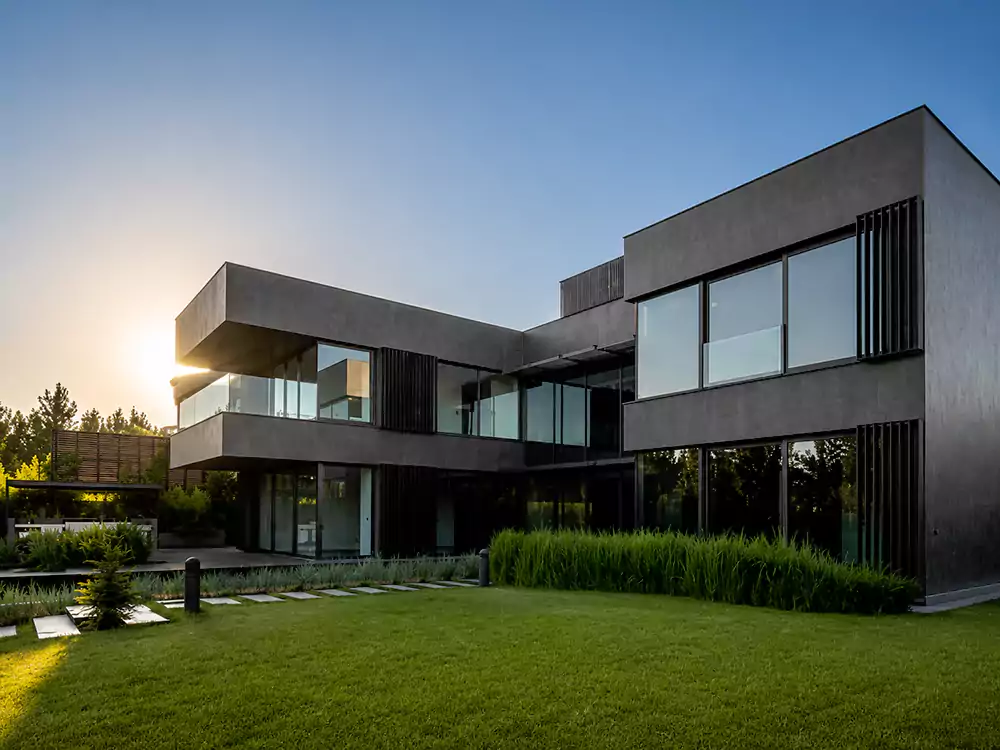
Damavand Microcement Project
Microcement applied to an interior wall, creating a modern design with a seamless finish.
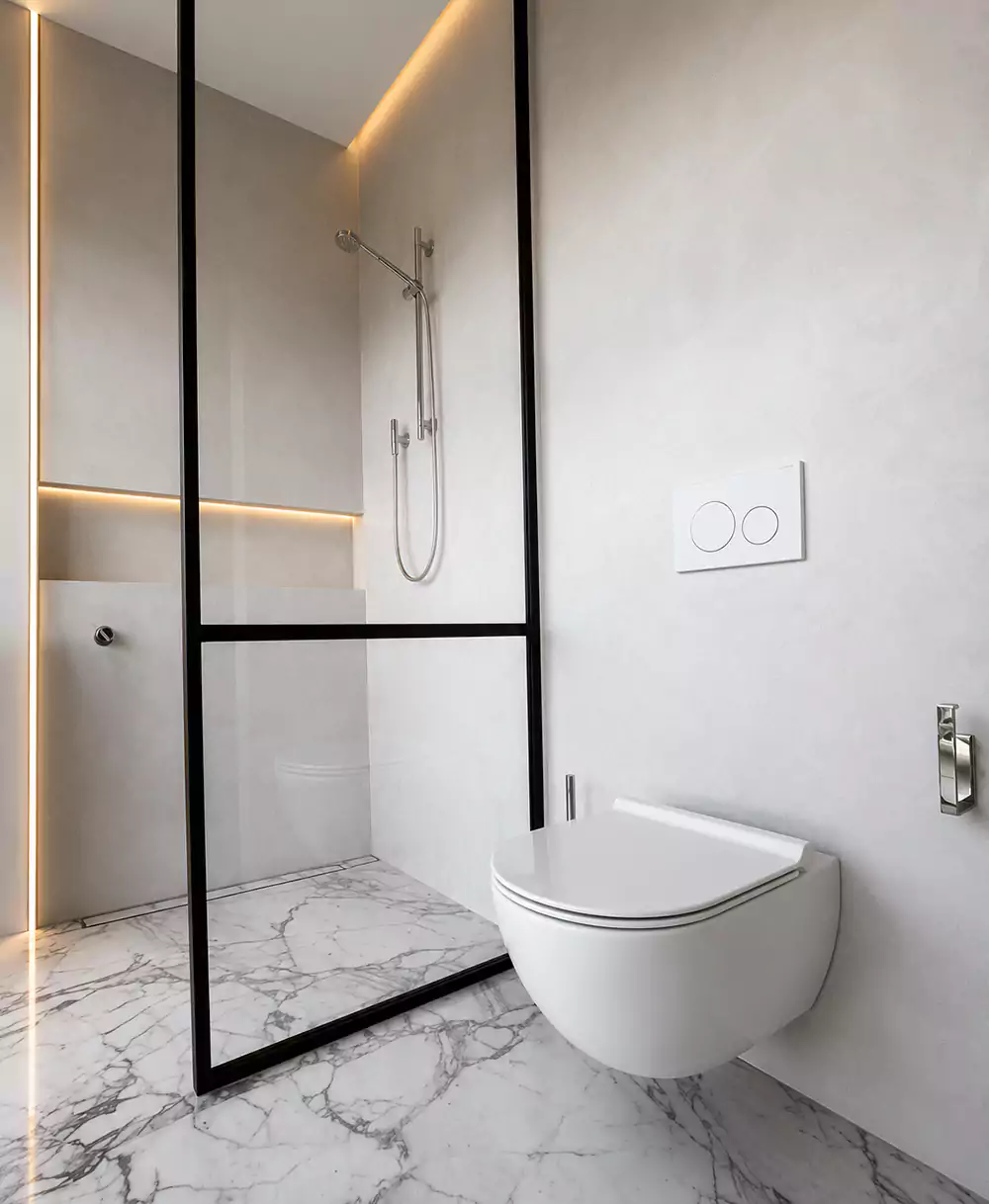
Saadatabad Microcement Project
Microcement application in a bathroom with a minimalist design.
Introduction to Microcement
To understand what microcement is, it is enough to become familiar with its unique features. Microcement is a thin, durable decorative coating made from cement, resin, and mineral materials, used as a modern alternative to tiles, stone, and concrete. Due to its high flexibility, it can be applied on various surfaces such as concrete, tile, wood, and plaster, creating a seamless, uniform surface with a sleek and minimal appearance without the need for demolition.
Some of the key features of microcement include its resistance to moisture, abrasion, and cracking, making it an ideal choice for both indoor and outdoor spaces, including floors, walls, kitchens, bathrooms, and even swimming pools. In addition, its wide range of colors and customization options allow designers and architects to create unique and visually appealing surfaces.
What Factors Affect the Cost of Microcement?
Microcement pricing is not fixed and depends on the specific requirements of each project. The area to be covered, substrate condition, application location, system type, and selected color and texture are among the main factors affecting the final cost. Therefore, the project requirements are assessed before a price is quoted to determine the appropriate system and provide a more accurate estimate.
Project Area
The project area affects material consumption, application time, and how the total cost is calculated.
Substrate Condition
The quality of the underlying surface and the amount of preparation or repair required can affect the cost of microcement application.
Application Location
Applying microcement to floors, walls, stairs, toilets, bathrooms, or facades involves different application requirements and therefore different costs.
Color and Texture
Choosing custom colors or special textures can affect material consumption and the application process.
Request a Project Quote
To receive an accurate estimate, information such as the project area, application location, surface type, and substrate condition is required. If possible, providing photos of the area can also help with the initial assessment. After reviewing the information, Vivacemento's experts will recommend a suitable system and provide a project cost estimate.
Microcement Applications
Microcement is used in a variety of spaces due to its unique properties. Some of its main applications include:
- Flooring – Creating a durable, seamless, and aesthetically appealing surface for residential, commercial, and office spaces.
- Walls – A modern alternative to tiles and paint, suitable for both indoor and outdoor spaces.
- Kitchens – Used on countertops, walls, and floors due to its high resistance to moisture and stains.
- Bathrooms and Restrooms – Thanks to its water-resistant properties, it is an excellent choice for bathroom and shower floors and walls.
- Pools and Outdoor Spaces – Resistant to water, sunlight, and various weather conditions.
- Furniture and Decorative Surfaces – Can be applied to tables, shelves, and other surfaces to create a modern, industrial look.
Why Do Architects Choose Microcement?
In recent years, microcement has become a popular material among architects and interior designers because it not only creates a modern, seamless appearance but also offers greater design flexibility. The absence of joints and grout lines, along with the ability to apply it continuously across floors, walls, and even stairs, helps spaces look more cohesive, spacious, and minimalist.
Another advantage is its thin application thickness, which allows architects to transform the appearance of a space during renovation projects without extensive demolition or a significant increase in floor height. This feature is particularly valuable in projects with time or structural constraints.
The variety of colors and textures is another reason why microcement is widely chosen. It blends easily with wood, stone, metal, glass, and other architectural elements, making it suitable for spaces designed in minimalist, industrial, modern, or even luxury styles.
However, professional architects look beyond appearance alone. They understand that the final quality of a project depends on selecting the right system, properly preparing the substrate, and ensuring correct application. For this reason, microcement delivers its best performance in professional projects when high-quality materials are used and the work is carried out by experienced specialists.
If you would like to learn more about the structure, features, and applications of this material, you can also read our guide: What Is Microcement?
Microcement Colors
One of the main advantages of microcement is its wide range of colors. In addition to neutral and minimalist shades, this coating can also be produced in custom colors to complement the architectural style and interior design of each project.
White
Cream
Beige
Sand
Light Gray
Gray
Charcoal
Black
Blue
Green
Terracotta
Brown
Custom
All the colors shown are examples of the available microcement color range. Custom colors can also be produced to suit individual project requirements.
Microcement Textures
One of the distinctive features of microcement is its variety of surface textures. Unlike many traditional coatings, the appearance of microcement is not limited to color. Different application techniques, tools, and finishing methods can create a wide range of visual effects. This allows architects and interior designers to choose a unique texture that complements the style of each project.
Some of the most common microcement textures include:
Minimalist Texture: A soft, uniform surface ideal for modern spaces.
Exposed Concrete Texture: Inspired by the appearance of raw concrete, with an industrial aesthetic.
Patina Texture: Subtle color variations that create greater visual depth.
Natural Finish: A finish that closely resembles the appearance of natural cement.
Smooth Finish: A smooth, refined surface with a luxurious look and gentle light reflection.
Textured Finish: Suitable for spaces that require a more natural feel or increased surface friction.
Note: Choosing the right texture depends on the project type, design style, lighting conditions, and application area. Vivacemento offers a range of finishes tailored to individual project requirements, helping achieve a result that complements the overall design of the space.
Microcement Technical Specifications
Microcement vs. Traditional Coatings
| Feature | Vivacemento Microcement | Traditional Ceramic / Stone |
|---|---|---|
| Demolition Requirements | Can be applied over existing surfaces without demolition | Requires demolition and substrate preparation |
| Joints and Grouting | Seamless surface without grout lines | Visible joints and grout lines |
| Thickness | 2–3 mm, very thin | Several centimeters, including mortar |
| Structural Weight | Lightweight with minimal added load | Heavier and more labor-intensive to install |
| Installation Speed | Fast application, with no need for extensive substrate preparation in suitable conditions | Slower installation requiring precise substrate preparation |
| Final Appearance | Modern, minimalist, and customizable | Traditional appearance, limited to available designs |
| Resistance and Durability | Resistant to abrasion, moisture, and temperature changes, depending on the system | Durable, but performance also depends on grout condition and installation quality |
| Maintenance | Easy to clean, with no grout lines | Requires maintenance of grout lines |
| Application Surfaces | Can be applied to concrete, plaster, stone, tiles, metal, and wood, subject to proper preparation | Requires a properly prepared and level substrate |
| Color and Texture Variety | Wide range of colors and modern textures | Limited to available market designs |
Microcement Application Process
Protective Coating
Final Finishing
Layer Application
Surface Preparation
Need Help Choosing the Best Microcement System?
Choosing the right texture, color, and microcement application system depends on the specific requirements of each project. Vivacemento experts are ready to recommend the most suitable solution for your space.
Conclusion
Microcement is a modern, durable, and seamless coating suitable for a wide range of surfaces, including walls, floors, and even swimming pools. With its high adhesion, flexibility, resistance to moisture and impact, and easy maintenance, it is an ideal choice for both interior and exterior design. In addition, microcement offers a wide variety of colors and textures and can be installed quickly without the need to remove existing surfaces.
Frequently Asked Questions
Answers to common questions you may have before purchasing or installing microcement.
Which surfaces can microcement be applied to?
Microcement can be applied to concrete, cement, plaster, stone, ceramic, tiles, and many other stable surfaces. However, the quality of the substrate preparation plays an important role in the durability and final result.
Can microcement be applied over tiles?
Yes. One of the main advantages of microcement is that it can be applied over existing tiles and ceramic surfaces without complete demolition. However, the substrate must be properly prepared.
How long does microcement installation take?
Installation time depends on the project size, substrate condition, and number of layers required. However, most residential projects can be completed within a few working days.
Is microcement waterproof?
When the complete system is properly installed and finished with a suitable protective sealer, microcement offers excellent moisture resistance and can be used in bathrooms, wet rooms, and kitchens.
How thick is microcement?
The total thickness of a microcement system is typically between 2 and 3 millimeters. This makes it a suitable option for renovation projects.
What is the difference between microcement and DeepC?
Microcement is mainly used to create seamless surfaces with a cement-like appearance, while DeepC offers a different look and range of applications. The choice between the two depends on the project requirements and design style.
How is the price of microcement calculated?
The final price depends on the project area, substrate condition, application location, and the selected texture and color. Vivacemento's experts can assess your project to provide an accurate estimate.
Is microcement suitable for renovation projects?
Yes. Thanks to its thin application and ability to be installed over many existing surfaces, microcement is a suitable option for renovations without extensive demolition.


