
Decorative Flooring
Choosing the right flooring is an important part of designing and implementing residential, commercial, and industrial spaces. Suitable flooring should not only provide an appealing appearance but also be compatible with the environmental conditions, level of traffic, type of use, and technical requirements of the project. For this reason, decorative and industrial flooring systems are increasingly being considered by architects, designers, and project owners as modern alternatives to some traditional flooring solutions.
Decorative flooring focuses primarily on creating a seamless, attractive appearance that complements the design of a space, while industrial flooring is generally selected to improve the surface’s resistance to traffic, abrasion, and environmental conditions. Some modern flooring systems can also offer both characteristics at the same time.
Among VivaCemento’s products in this category, DeepC is introduced as one of these flooring options. Alongside its distinctive appearance, this system can be used for a variety of architectural applications and construction projects.
What Are Decorative and Industrial Flooring Systems?
Decorative and industrial flooring systems are a group of modern flooring solutions that, depending on their design and structure, can provide an attractive appearance while also meeting various functional requirements of a project. The main difference between these flooring systems and many traditional flooring materials is that they are not selected based solely on appearance. Factors such as durability, traffic levels, environmental conditions, maintenance requirements, and the intended use of the space are also taken into consideration.
Decorative flooring is primarily used to create an attractive, seamless surface that complements the architecture of a space. Color, texture, and the final visual effect are particularly important in this type of flooring, allowing designers to select a floor finish that suits modern, minimalist, or industrial design styles.
In contrast, industrial flooring focuses more on performance and durability. These flooring systems are designed for spaces where the floor is exposed to heavy traffic, abrasion, pressure, moisture, or more demanding working conditions, making surface durability a more important consideration.
However, these two categories are not completely separate. Some modern flooring systems can combine both decorative and functional characteristics, meaning they can provide an attractive appearance while also offering the resistance and durability required for a project. For this reason, the use of these systems has increased in spaces such as homes, villas, retail stores, offices, restaurants, and some industrial environments.
In terms of appearance and installation, modern flooring systems can also differ from materials such as ceramic tiles, stone, parquet, and laminate. Many of these systems can create a more seamless surface with fewer joints, while some projects offer designers greater flexibility in choosing colors and textures. The final choice should always be based on the actual conditions of the project and the expected performance of the flooring.
Types of Decorative and Industrial Flooring
Decorative and industrial flooring systems are produced and installed in different forms depending on their structure, raw materials, level of durability, and intended application. Some are primarily used to create a decorative and seamless appearance in architectural spaces, while others are designed for environments where resistance to traffic, abrasion, and demanding working conditions is more important.
Currently, one of the products offered by VivaCemento in this category is DeepC Flooring, which can be used in a variety of projects depending on the environmental conditions and installation requirements.
DeepC Flooring
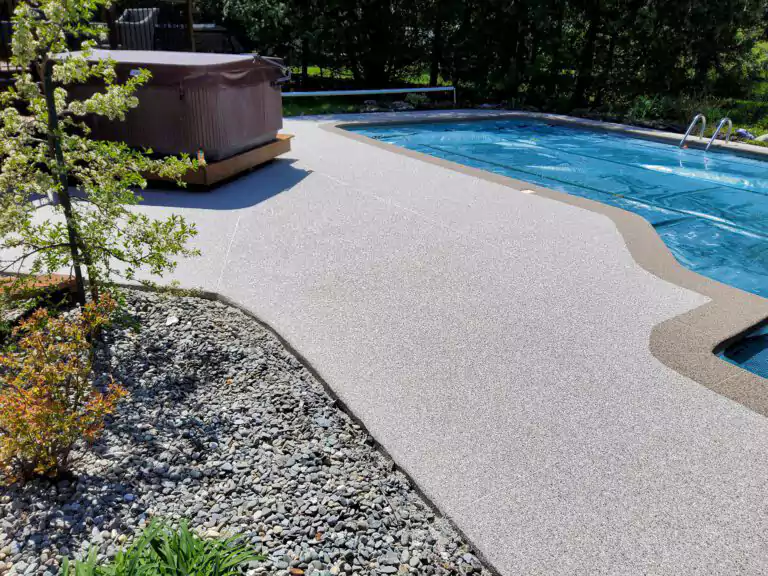
DeepC is a decorative flooring system that creates a seamless surface with a distinctive appearance, making it suitable for a wide range of architectural projects. Its final appearance, range of colors, and ability to complement different design styles are among the features that make this system suitable for projects such as villas, residential spaces, commercial properties, and some high-traffic environments.
The installation method, color, and final specifications of DeepC should be selected according to the type of use, substrate conditions, and project requirements.
Features of Decorative and Industrial Flooring
Decorative and industrial flooring systems are not used solely to cover the floor surface; they can also contribute to both the design and technical performance of a space. The characteristics of these flooring systems vary depending on the type of system and product specifications, but certain features are particularly important in many modern projects.
Seamless and Modern Appearance
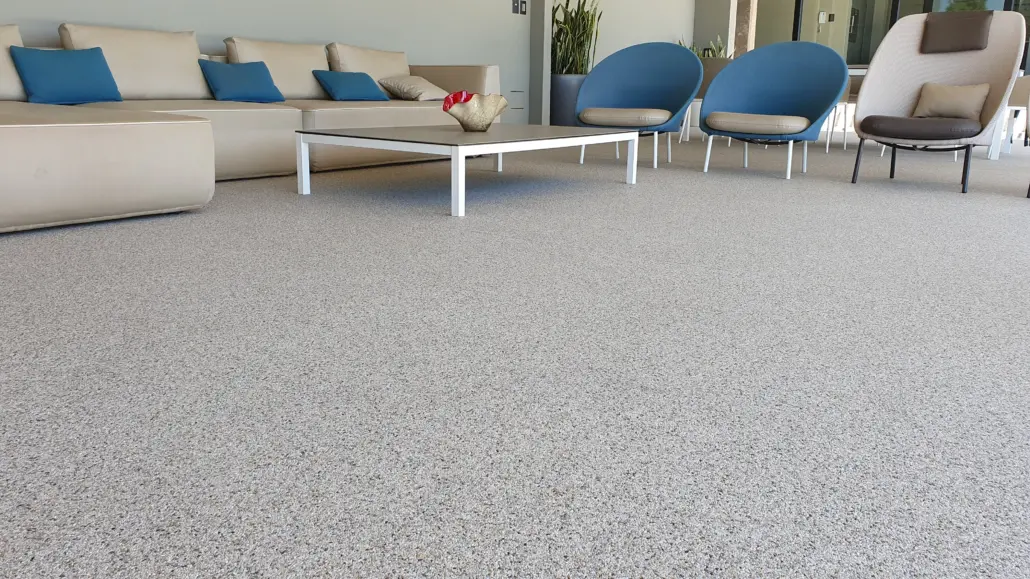
One of the key features of modern flooring systems is their ability to create a seamless surface that complements the architectural space. This is particularly valuable in minimalist and contemporary designs, where the floor can appear less like a separate element and create greater visual harmony with the other elements of the space.
Resistance to Abrasion and Traffic
Depending on the selected system, some decorative and industrial flooring solutions are designed for spaces with high levels of foot traffic. Suitable resistance to abrasion and continuous use can help maintain the appearance and performance of the surface over time.
A Variety of Colors, Textures, and Finishes
The ability to choose from different colors and textures is one of the key advantages of decorative flooring systems. This variety allows designers to coordinate the flooring with the architectural style, color scheme, and other materials used in the project.
Easy Cleaning and Maintenance
In many seamless flooring systems, there are fewer joints than in modular or piece-based flooring. This can help reduce the accumulation of dust and dirt around connections between individual pieces and make routine cleaning easier.
Suitable for High-Traffic Areas
Depending on their technical specifications, some flooring systems in this category can be used in spaces with significant traffic, such as retail stores, offices, commercial centers, and certain work environments. However, the appropriate system should always be selected based on the level of traffic and the actual conditions of the project.
Suitable for Different Spaces
Decorative and industrial flooring systems are not limited to a single type of application. With the right system selected, they can be used in residential, commercial, office, and certain industrial or semi-open environments.
Compatibility with Architectural Design
The combination of appearance, color, texture, and installation method allows these flooring systems to complement a wide range of architectural styles. As a result, depending on the requirements of the project, the same flooring system can serve both as a functional surface and as part of the visual design of the space.
Applications of Decorative and Industrial Flooring
Decorative and industrial flooring systems can be used in a variety of spaces due to the diversity of available systems and installation characteristics. The appropriate flooring system should be selected based on factors such as traffic levels, environmental conditions, intended use, and design requirements.
Residential Spaces and Villas
In modern homes and villas, decorative flooring can be used to create a seamless surface that complements the interior design. Living rooms, kitchens, hallways, and certain common areas are among the spaces where these systems can be used. Selecting the right color and texture can also help create visual harmony between the flooring, walls, and other interior elements.
Retail Stores and Commercial Spaces
Retail stores, showrooms, and commercial centers typically experience high levels of daily traffic and require flooring that is both durable and easy to maintain. Suitable systems in this category can provide a professional appearance while also being appropriate for use in high-traffic commercial spaces.
Offices and Administrative Spaces
In office environments, appearance is important alongside durability and ease of maintenance. Decorative flooring can help create a modern and organized atmosphere and, when the appropriate system is selected, can meet the requirements of office spaces with different levels of traffic.
Cafés and Restaurants
In cafés and restaurants, flooring not only contributes to the overall design of the space but is also exposed to foot traffic, frequent cleaning, and everyday use. Therefore, systems that combine an appealing appearance with durability and easy maintenance can be suitable options for these environments.
Industrial and Workshop Spaces
Some industrial flooring systems are designed for environments where floors are exposed to traffic, pressure, abrasion, or more demanding working conditions. In such projects, flooring should be selected based on the type of activity, load requirements, environmental conditions, and technical specifications.
Terraces, Courtyards, and Semi-Open Spaces
In terraces, courtyards, and other semi-open spaces, flooring should be selected not only for its appearance but also according to environmental conditions and the level of exposure to moisture and weather changes. Using a suitable system can help create a practical surface that complements the design of the outdoor space.
How to Choose the Right Flooring
Choosing the right flooring is not limited to its color and appearance. To ensure that the selected flooring performs well over time, its technical characteristics and the actual conditions of the project should be evaluated before installation. Considering the following factors can help make a more suitable choice:
Type of Space and Intended Use
First, it is important to determine where the flooring will be used. The requirements of a residential unit are different from those of a retail store, office, restaurant, or industrial environment, and the intended use has a direct impact on selecting the appropriate flooring system.
Level of Traffic
The level of foot traffic is an important factor when choosing flooring. Low-traffic spaces generally have different requirements compared with retail stores, commercial centers, or high-traffic work environments.


